74% of Consumers Want Brands to Be Honest About AI. Here’s How to Use AI Without Losing Trust

In short
An October 2026 survey: 74% of consumers want brands to disclose AI in ads. What it means for your brand, plus 5 steps to use AI without eroding trust.
Key points
- What does the latest data say about AI in advertising?
- Cint's report The Authenticity Audit (around 1,000 US consumers, surveyed in August 2026) paints a clear picture: 74% believe brands and creators have a duty to disclose AI use in...
- Why can AI lower trust in a brand?
- Because a brand is built on promises, and people judge those promises by what feels real.
- Should brands stop using AI?
- No.
- 5 steps to use AI without eroding consumer trust
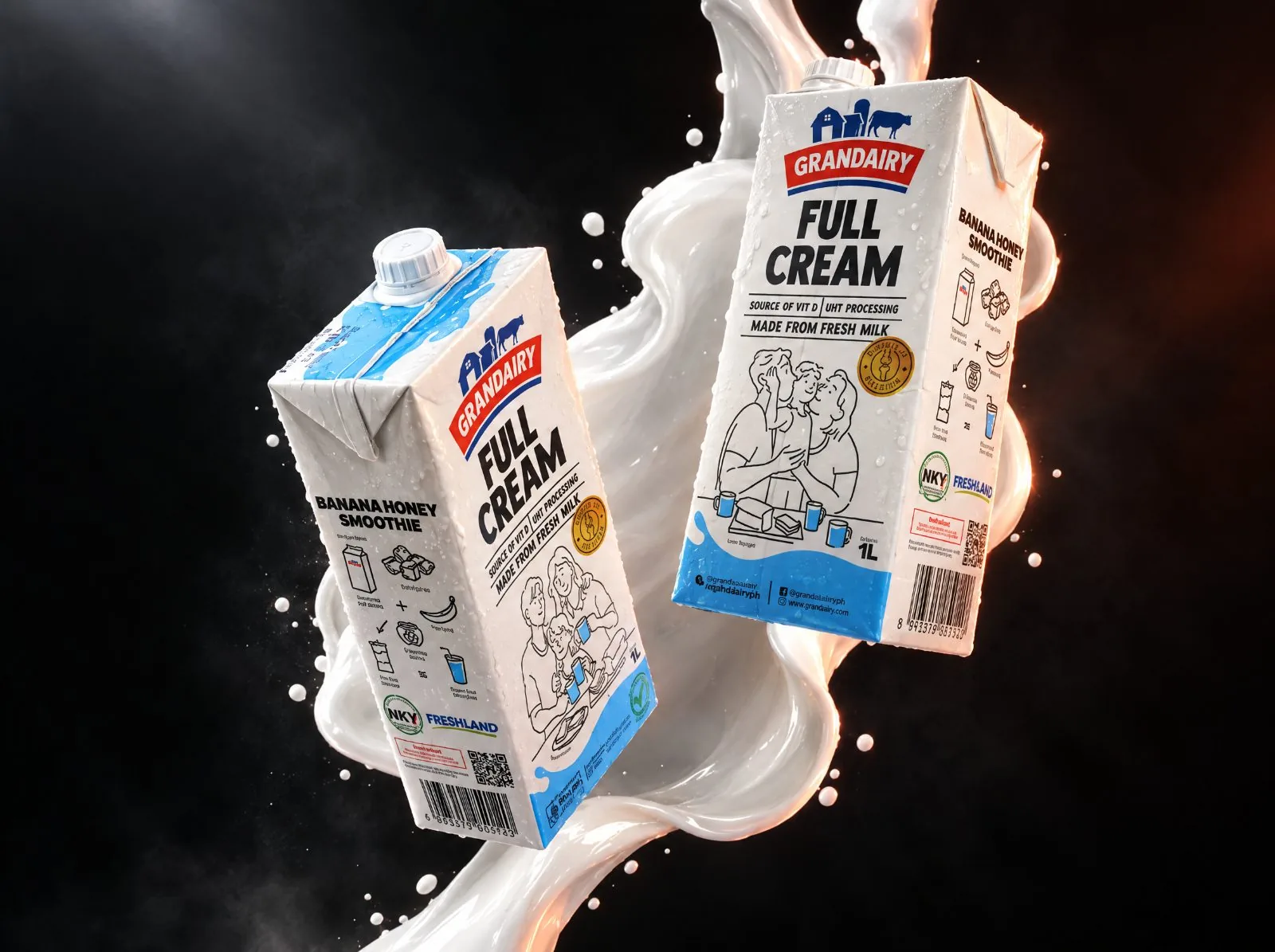
- Visual enhanced with AI assistance.
Full article
Short answer: Consumers don’t reject AI. They reject brands that hide it. A survey by Cint and Advertising Week (released 20 October 2026) found that 74% of US consumers believe brands should disclose AI use in advertising, and 44% say their trust in a brand would drop if it didn’t. The fix sits in brand strategy: decide where AI is allowed, where it isn’t, and how the brand talks about it.
AI now touches almost every stage of content production: visuals, copy, video, even post scheduling. The question is no longer “should we use AI?” but “how does a brand stay trusted while using it?”
What does the latest data say about AI in advertising?
Cint’s report The Authenticity Audit (around 1,000 US consumers, surveyed in August 2026) paints a clear picture:
- 74% believe brands and creators have a duty to disclose AI use in ads.
- 44% say their trust in a brand would decrease if they learned it hadn’t disclosed AI-generated ads.
- 43% name undisclosed AI or synthetic media as a major reason for losing trust in a brand, ahead of partnerships with controversial influencers (38%).
- 46% dislike seeing AI-generated people in ads, the most disliked category tested.
- 40% pick realistic landscapes as their favourite AI-generated visual element.
- 93% say trusting a brand affects their purchase decisions.
Academic research points the same way. An experiment published in COMMUSTY Journal of Communication Studies and Society (May 2026, 412 participants, six product categories) found that AI-generated ads earned lower trust scores than human-made ones. The biggest factor was perceived authenticity, which accounted for 31.2% of the indirect effect. The good news: the trust gap narrowed among people with higher AI literacy and after repeated exposure.
Note: both sources surveyed respondents outside Indonesia and Southeast Asia. The direction is relevant, but figures for your own market are worth measuring directly.
Why can AI lower trust in a brand?
Because a brand is built on promises, and people judge those promises by what feels real. When an ad feels machine-made, consumers start asking: does the product actually look like this? Who is really speaking?
The problem is rarely the technology. It’s brands without rules. Without a clear strategy, AI ends up being used for everything, including the things that should feel most human: the brand’s face, testimonials, and product claims.
Should brands stop using AI?
No. The same data shows consumers can accept AI, especially for elements like backgrounds and atmosphere. What needs to change is how a brand decides where AI is used and how it is open about it. That is a brand strategy decision, not a production one.
5 steps to use AI without eroding consumer trust
1. Write AI rules into your brand guideline
Spell out what AI may create (backgrounds, idea exploration, layout variations) and what it may not (logos, product claims, prices, testimonials). These rules keep the brand consistent when many people and many tools produce content.
2. Avoid synthetic people as the face of your brand
With 46% of consumers disliking AI-generated people in ads, use real people for faces, testimonials, and ambassadors. Let AI help elsewhere.
3. Set a consistent disclosure policy
Decide upfront when the brand labels content as “made with AI assistance” and where that label appears. Platforms such as Instagram already offer AI labels. Consistency matters more than adding a label now and then.
4. Keep a human on final approval
Every AI-assisted piece should pass a human check for product accuracy, brand voice, and cultural sensitivity. Responsibility stays with the brand, not the tool.
5. Measure perception instead of guessing
Run a brand audit or perception study regularly: do people still see your brand as honest, warm, and trustworthy? That data decides how far AI should go.
How does EGGHEAD approach AI in branding?
At EGGHEAD, AI helps us move faster on execution. Brand strategy, though, is still built on data and human understanding: brand audits, target market research, and competitor analysis. AI can produce a visual in seconds. It can’t decide what your brand should stand for.
Want to know how your brand is perceived, and where AI can help without costing you trust? Talk to the EGGHEAD team.
FAQ
Do AI-generated ads need to be labelled?
Consumers increasingly expect it. 74% of respondents in Cint’s survey (Oct 2026) say brands should disclose AI use. Legal requirements differ by country, so check local regulations and platform policies.
Which AI elements do consumers accept most?
According to Cint, realistic landscapes are the most-liked AI visual element (40%), while AI-generated people are the most disliked (46%).
Does AI reduce trust in a brand?
It can, especially when ads feel inauthentic or AI use is hidden. Research shows perceived authenticity is the biggest factor.
How should a brand start an AI strategy?
Start with a brand audit to understand current perception, then write AI usage rules into the brand guideline before producing content.
Sources
- Cint, The Authenticity Audit: AI, Advertising, and the New Rules of Consumer Trust, press release, 20 October 2026.
- Hakimi, Parsa & Turan, “Consumer Trust in AI-Generated Advertisements”, COMMUSTY Journal of Communication Studies and Society, Vol. 5 No. 1, 20 May 2026.