Rent a Fandom or Grow One? NESCAFÉ x no na vs the K-pop Deals
Key visual “Siap Gas Lagi” from the NESCAFÉ Indonesia x no na campaign. Visual: © NESCAFÉ Indonesia (Nestlé Indonesia), created with Leo Indonesia, featuring no na (88rising). Source: Marketing-Interactive. Used for commentary; not an EGGHEAD project.
Short answer: Between late July and late August 2026, Indofood brands signed K-pop acts three times, and Kopi Kenangan signed NCT’s Haechan. In the same season, NESCAFÉ Indonesia went the other way: it built its ready-to-drink campaign with no na, an Indonesian girl group that debuted in May 2025, and asked fans to write the content. Renting a big fandom buys reach fast. Growing with a young one buys a link that is harder to copy. Which one fits depends on data you can check before signing.
What happened
The K-pop wave. Campaign Indonesia counted the deals. Indofood’s JetZ signed Hearts2Hearts (29 July), Chitato signed Treasure (5 August), and POP Spageti signed Hearts2Hearts again (29 August). Kopi Kenangan announced Haechan of NCT on 24 July, with photocards and cup sleeves for buyers of a Rp58,000 bundle in its app. Hearts2Hearts had already worked with Scarlett and barenbliss in 2025.
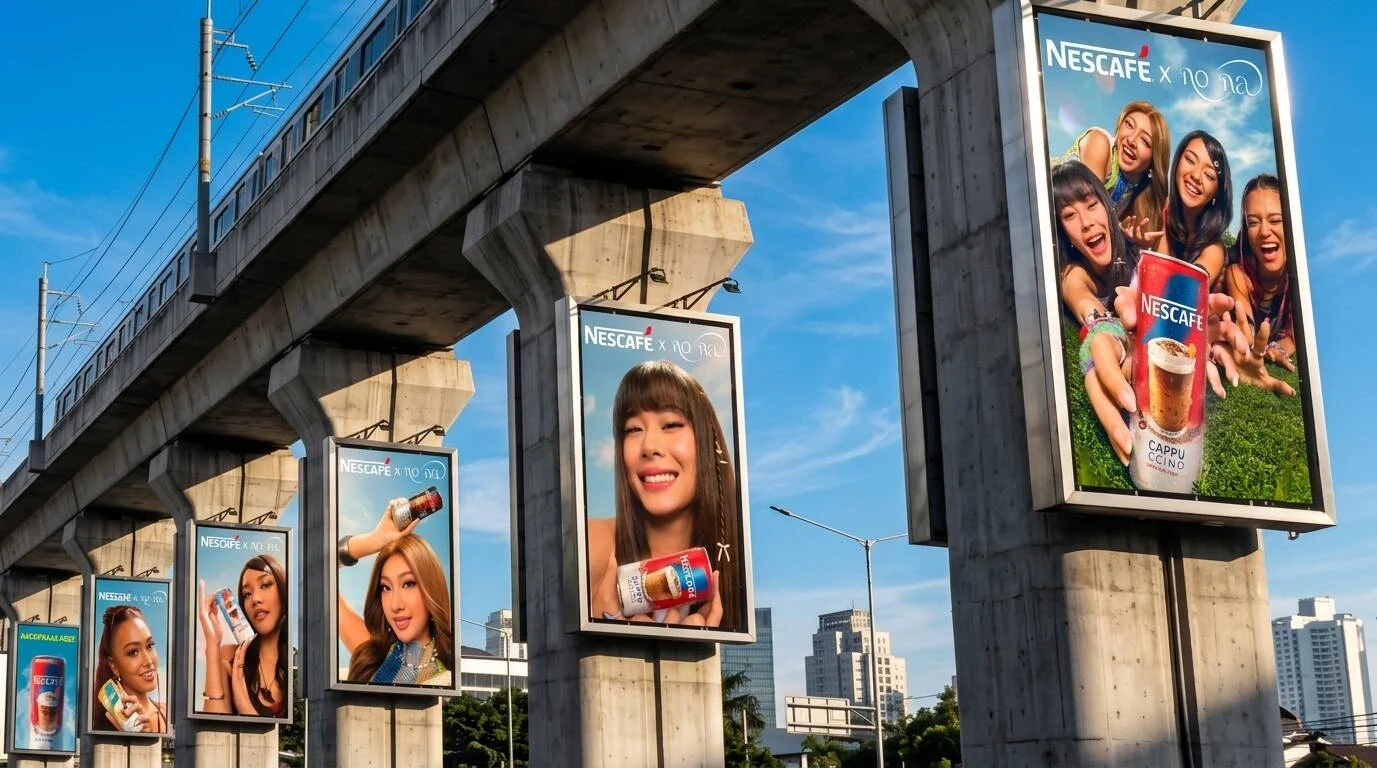
NESCAFÉ x no na. no na is a four-member Indonesian group (Baila Fauri, Christy Gardena, Esther Geraldine, Shazfa Adesya) under the label 88rising. They debuted on 2 May 2025 with the single “shoot”. With Leo Indonesia, NESCAFÉ invited fans to request dance challenges for the group, each with a NESCAFÉ twist. The requests became a short series, creators remixed the choreography, the campaign moved onto Jakarta billboards, BRT buses and KRL trains, and it ended with an original music video for NESCAFÉ RTD under the line “Always Moving. Never Boring.”
Why NESCAFÉ needs this
The context is global. In July 2025, Nestlé’s global category lead for NESCAFÉ, Don Howat, told CNBC that the brand’s heartland is hot coffee in the morning, and that it wants to grow cold coffee later in the day. Company estimates in the same report put iced coffee at about a third (32%) of coffee drunk out of home, and young consumers are often a first entry point. For a brand that has been in Indonesia for decades, the question is not awareness. It is relevance to a younger, colder, afternoon occasion.
Two models, two costs
This is the part that interests us. The two approaches buy different things.
- Renting a big fandom (the K-pop route). Reach arrives on day one, because the fans already exist. The cost: the same idol can stand for several brands at once. Hearts2Hearts now fronts two Indofood products and two beauty brands. When fans meet the same faces everywhere, what separates the brands is often only the packaging and the merchandise.
- Growing with a young fandom (the no na route). The fandom is smaller, but the brand is there early, so the link is easier to own. Inviting fans to write the challenges also makes them co-authors instead of an audience. The cost: less guaranteed reach, and the bet depends on the group’s own growth.
Campaign Indonesia put it neatly: local brands are buying Korea, while a global brand is buying Indonesia. Each pays for meaning it cannot claim on its own.
What we don’t know yet
None of these brands has published sales or campaign results. Roastbrief describes the NESCAFÉ work as reaching record viewership and engagement, but gives no figures. Indofood CBP’s 11% sales growth in the first half of 2026 was reported for the period that ended before the K-pop deals were announced, so it says nothing about them. We see no proof yet that either model wins. What we can say is that the choice should come from data, not from who is trending.
The data to check before signing an idol
- Fan overlap. What share of the idol’s fans in Indonesia match your buyer by age, city, and spending? Social listening and a short survey answer this better than follower counts.
- Exclusivity. How many brands, including sister brands, already use the same face? Ask for category exclusivity in the contract.
- Who gets the mention. In search and social, do people name your brand or only the idol? Track brand-plus-idol mentions against idol-only mentions.
- The way back to the product. Does every touchpoint (photocards, bundles, challenges) require buying or using the product? If not, you are funding the idol’s fandom, not your brand.
- Life after the contract. What brand assets stay when the deal ends: a song, a format, a habit, or nothing?
Which model fits your brand?
- Rent a big fandom: fits a launch or a short sales push where reach matters most. Plan the product link carefully, and expect to share the face.
- Grow with a young fandom: fits a brand that wants a long-term association and has the patience to build it. Budget for content, not just the fee.
- No idol at all: often the right answer, if the real gap is the product, the price, or the occasion.
How EGGHEAD approaches it
As a data-driven branding agency, we separate “should we use an idol?” from “which idol?”. We start with a Brand Audit to see what your brand already means to its target market, then the Brand Strategy phase sets the role a partner should play. Only after that do we shortlist talent and design the activation.
Thinking about an ambassador or a fan campaign? Talk to the EGGHEAD team or explore our brand strategy approach.
FAQ
What is the NESCAFÉ x no na campaign?
A 2026 campaign by NESCAFÉ Indonesia and Leo Indonesia for NESCAFÉ RTD. Fans requested dance challenges for the Indonesian group no na, the challenges became a content series, the campaign ran on Jakarta billboards, BRT and KRL, and it ended with an original music video.
Who is no na?
A four-member Indonesian girl group under 88rising: Baila Fauri, Christy Gardena, Esther Geraldine, and Shazfa Adesya. They debuted on 2 May 2025 with the single “shoot”.
Why do Indonesian brands sign K-pop idols?
To borrow an existing fandom and its image, usually to reach Gen Z quickly. Indofood brands signed K-pop acts three times between July and August 2026, and Kopi Kenangan signed Haechan of NCT.
What should a brand measure before choosing an idol ambassador?
Fan overlap with its buyers, how many other brands use the same idol, whether people mention the brand or only the idol, whether each touchpoint leads back to the product, and what assets remain after the contract.
Sources
- Campaign Indonesia, “Saat brand dan grup idol saling meminjam basis audience dan fans”, Aulia Masna, 24 September 2026: campaignindonesia.id
- Roastbrief, “NESCAFÉ Indonesia x no na: Don’t Just Follow Culture. Move With It”, 18 September 2026: roastbrief.us
- CNBC, “Coffee giant Nescafe targets Gen Z as consumption habits shift”, Karen Gilchrist, 19 July 2025: cnbc.com
- CNN Indonesia, “no na, Girl Group Indonesia Debut di Bawah 88rising 2 Mei 2025”, 29 April 2025: cnnindonesia.com
Image credits
- Hero: key visual “Siap Gas Lagi”, © NESCAFÉ Indonesia (Nestlé Indonesia), with Leo Indonesia, featuring no na (88rising). Via Marketing-Interactive, “NESCAFÉ teams up with no na for six-month youth marketing campaign”: marketing-interactive.com
- Out-of-home visuals, © NESCAFÉ Indonesia (Nestlé Indonesia) / Leo Indonesia, featuring no na (88rising). Via Ads of the World, “NESCAFÉ Indonesia x no na: The Fans Challenge”: adsoftheworld.com
- All images are the property of their owners and are shown for commentary and review only. EGGHEAD was not involved in this campaign.
Two Companies Renamed Themselves a Week Apart. Their Logic Was Opposite.
Short answer: On 26 October 2026, Sauer Brands became Duke’s Mayo Company, taking the name of its best-known product. Seven days later, MGP Ingredients became Sempreon, a new name that points to no product at all. These opposite decisions both make sense, because the businesses are built differently. The lesson: a company name should be decided from data on business mix and name equity by audience, not from taste.
What happened
Sauer Brands became Duke’s Mayo Company (26 October 2026). Founded in 1887, the company had just sold its spices and seasonings business to Watkins. What remains is a condiments portfolio: Duke’s Mayonnaise, Mateo’s Gourmet Salsa, and a foodservice business. The corporate name was aligned with its best-known brand.
MGP Ingredients became Sempreon (2 November 2026). Announced on 15 October, the name took effect alongside a new Nasdaq ticker, CASK. The 85-year-old company runs three businesses: Branded Spirits, Distilling Solutions, and Ingredient Solutions. The name blends “semper” (Latin for always) and “aion” (Greek for eternity). CEO Julie Francis said it “brings all three of our businesses under one identity”. The MGP name lives on at its distillery in Lawrenceburg, Indiana.
The numbers that explain Sempreon’s decision
This is the part that interests us. In its third-quarter 2026 report, the company posted sales of US$117.9 million, split as follows:
- Branded Spirits: US$58.2 million, about 49%
- Ingredient Solutions: US$30.8 million, about 26%
- Distilling Solutions: US$29.0 million, about 25%
Percentages are our calculation from the company’s report, for one quarter.
So the word “Ingredients” in the old name literally described only about a quarter of sales, while nearly half came from spirits brands such as Penelope Bourbon. The name had fallen behind the business. When three businesses serve different audiences, a neutral new name can cover all of them.
Duke’s Mayo sits in the opposite position. Its portfolio has just narrowed, and the company says both of its main brands hold leading Net Promoter Scores in their categories, although it didn’t publish the figures. When your strongest asset is clear, using its name is a logical shortcut.
Every option has a cost
Both decisions make sense, but neither is free. Here’s our reading:
- Sempreon starts from zero. A new name carries no equity. Eighty-five years of value has to be moved across gradually, which is why keeping MGP at distillery level is a smart move.
- Duke’s Mayo has a narrow name. Salsa now sits under a company called “Mayo”. If the portfolio moves far beyond condiments, the name could become a limit, just as “Ingredients” did.
In Indonesia, there’s a third pattern. On 6 October 2026, Danamon and MUFG Indonesia introduced a proposed name, Bank MUFG Danamon, for their integrated bank, still subject to approval from shareholders, the relevant ministries, and regulators. When two names both hold value, combining them keeps both, at the risk of a longer name.
What a new name can’t do
Sempreon announced its name during a hard stretch. Third-quarter sales fell 10%. Distilling Solutions fell 29%, and the company itself described an oversupplied market with high industry barrel inventories. We see no cause and effect between the name and these numbers, and the company didn’t promise any.
That’s the point: a new name can clarify what you do, but it doesn’t change market conditions. And with the name only a week old, it’s too early to judge the result.
The data to check before renaming
The public sources we read don’t explain the research behind either decision. But if your company is considering a rename, this is what we’d look at first:
- Business mix. What share of sales does each line bring, and what’s the trend? Does the current name still describe most of the business?
- Name equity by audience. How well known is the name, and what does it stand for, among customers, distributors, employees, and investors? Measure them separately, because the results often differ.
- The name’s role in buying. Do people choose the company name or the product name? Look at search volume, tender data, and interviews with your sales team.
- Room to grow. Does the candidate name still fit the five-year business plan?
- Migration cost. Trademarks, contracts, permits, signage, packaging, domains, and SEO. Decide too which old names you’ll keep.
Which pattern fits your business?
- A neutral new name: fits when the business is diverse and the old name is too narrow. The cost: building equity from scratch.
- The hero brand’s name: fits when the portfolio is focused and one brand is clearly strongest. The risk: the name limits expansion.
- A combined name: fits a merger of two names that both hold value. The risk: it’s long and can feel like a compromise.
- No rename at all: often the right answer, if the real problem is positioning or execution.
How EGGHEAD approaches it
As a data-driven branding agency, we separate “should we rename?” from “what should the name be?”. We start with a Brand Audit to measure name equity across internal and external audiences. From there, the Brand Strategy phase sets the brand architecture, and only then does rebranding move on to the name and visual identity.
Considering a rename? Talk to the EGGHEAD team or explore our brand strategy approach.
FAQ
When should a company change its name?
Usually when the name no longer describes the business, for example after an acquisition, divestiture, or merger. Sempreon and Duke’s Mayo both renamed after their business mix changed. If the problem is positioning or execution, a new name may not solve it.
Why did MGP Ingredients become Sempreon?
To bring its three businesses (Branded Spirits, Distilling Solutions, Ingredient Solutions) under one identity. The name took effect on 2 November 2026 with the Nasdaq ticker CASK. The MGP name stays on its distillery.
Why did Sauer Brands become Duke’s Mayo Company?
To align the corporate name with its best-known brand, after selling its spices and seasonings business and focusing on condiments. The name took effect on 26 October 2026.
What data do you need before renaming a company?
Sales mix by business line, name equity by audience, the name’s role in buying decisions, the long-term business plan, and migration costs including trademarks.
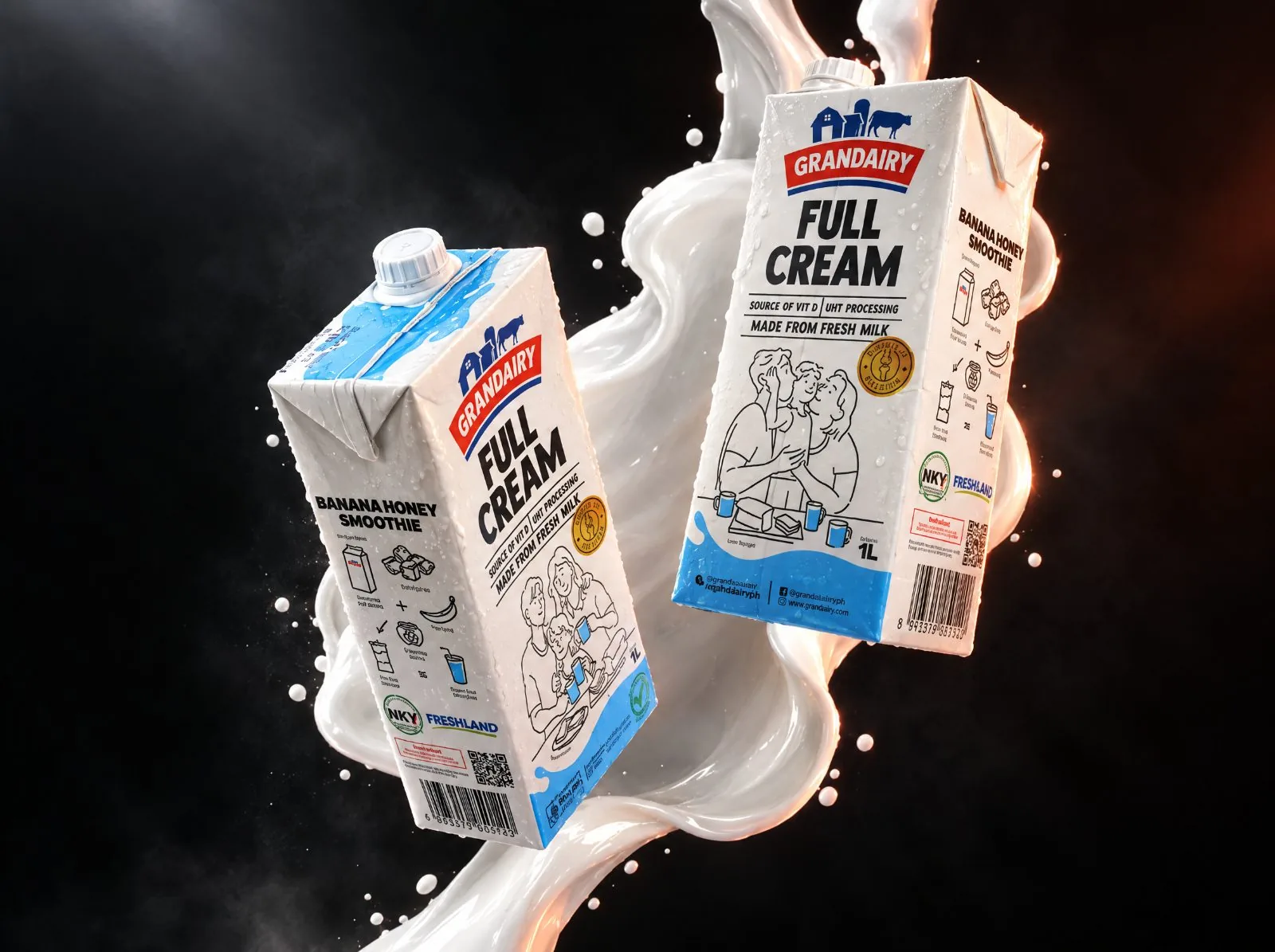
Image: AI-generated illustration based on Duke’s Mayonnaise’s real packaging, not an official Duke’s Mayo Company photo.
Sources
- Sempreon (MGP Ingredients), Form 8-K Exhibit 99.1, third-quarter 2026 results, 28 October 2026: sec.gov
- MGP Ingredients rebrand press release, 15 October 2026 (published by Breaking Bourbon): breakingbourbon.com
- Just Drinks, “MGP Ingredients to change name to Sempreon”, 15 October 2026: just-drinks.com
- Drinks Intel, “MGP Ingredients becomes Sempreon”, 2 November 2026: drinks-intel.com
- The Shelby Report, “Sauer Brands renames itself Duke’s Mayo Company”, 26 October 2026: theshelbyreport.com
- Republika, “Integrasi Berlanjut, Danamon dan MUFG Usulkan Nama Baru”, 7 October 2026: ekonomi.republika.co.id
Before AI Describes Your Brand: EGGHEAD and Narrativ Prepare Brands for 2027
Short answer: AI can only repeat what a brand says about itself, consistently, in many places. That is why preparing for the AI search era starts with brand clarity. EGGHEAD, an award-winning branding agency in Jakarta and Singapore, is collaborating with Narrativ, an agency whose GEO and AEO service is run by an in-house SEO team. EGGHEAD defines a clear, consistent brand; Narrativ makes sure that brand is found and cited in every AI answer.
AI doesn’t create reputation. It repeats it.
Heading into 2027, more people get to know brands through AI answers. DemandSphere data cited by Semrush shows Google AI Overviews appeared on 82% of brand-name searches at the end of September 2026, up from 26% at the start of the month.
What is often forgotten: AI doesn’t invent a brand’s story. It summarises what already exists, from websites, reviews, news, social media, and marketplaces. If a brand isn’t clear about who it is, AI will summarise that confusion.
This is where brand strategy matters more than ever.
SEO, AEO, and GEO in one line each
- SEO: getting pages to rank high in search results.
- AEO: getting content used as a direct answer, for example in AI Overviews.
- GEO: getting a brand mentioned and cited correctly by AI such as ChatGPT, Gemini, and Perplexity.
All three work best for brands that know exactly what they want to say.
EGGHEAD’s role: a brand worth citing
As a data-driven branding agency with more than 15 years of experience, EGGHEAD builds the foundation AI reads:
- Brand audit, including an AI perception audit: what ChatGPT, Gemini, and Google say about the brand today, and how far that is from where it wants to be.
- Brand strategy: positioning, key messages, and consistent brand facts, so every source tells the same story.
- Visual and verbal identity: how the brand looks and speaks, documented in a brand guideline for consistency across channels.
Narrativ’s role: a brand that gets found
A brand foundation needs to show up where AI reads. For that, we work with Narrativ, our partner for SEO and AI search. At Narrativ, GEO and AEO are a dedicated service run by an in-house SEO team:
- Auditing what AI says about the brand on a regular basis.
- Building the content and PR that AI cites.
- Monitoring results every month and sharpening them.
How we work together
- Brand and AI audit. EGGHEAD maps the brand, the market, and current AI perception.
- Define clarity. EGGHEAD sets positioning, messages, and brand facts that are ready to be cited.
- Be present everywhere. Narrativ takes that foundation into content, PR, and pages that answer customer questions.
- Measure and maintain. Narrativ monitors AI answers monthly; EGGHEAD keeps the brand consistent.
A short checklist for 2027
- Ask ChatGPT, Gemini, Perplexity, and Google: what do they say about your brand?
- Make sure your description, services, and positioning match across your website, Google Business Profile, LinkedIn, and marketplaces.
- Build pages and FAQs that answer customer questions directly.
- Grow third-party voices: coverage, reviews, and case studies.
- Track AI answers and Google Search Console every month.
In their words
“We’re glad to collaborate with Narrativ. AI can only describe a brand correctly if the brand is consistent about itself, and that is where EGGHEAD comes in. Narrativ brings the SEO and AI search capability that makes brands truly findable.”
Adam Mulyadi, Chief Creative Officer, EGGHEAD Branding Agency
“AI search is changing how brands are found. At Narrativ, GEO and AEO are already a dedicated service with an in-house SEO team: we audit what AI says about a brand, build the content and PR that AI cites, and monitor the results every month. Our collaboration with EGGHEAD gives our clients the option to strengthen their brand foundation at the same time.”
Tommy Andrean, Founder & CEO, Narrativ
Start with clarity
A clear brand is easier for people to remember, and easier for machines to cite. If you want to know what AI says about your brand today, start with a brand audit with EGGHEAD.
Read also: 74% of Consumers Want Brands to Be Honest About AI · Narrativ.
FAQ
Why does brand strategy matter for AI search?
Because AI summarises what is already published about a brand. Brands with consistent positioning, messages, and facts are easier to cite correctly.
What are GEO and AEO?
GEO is the work of getting a brand mentioned and cited correctly by AI such as ChatGPT and Gemini. AEO is the work of getting content used as a direct answer, for example in Google AI Overviews.
What do EGGHEAD and Narrativ each do?
EGGHEAD defines the brand foundation: audit including AI perception, strategy, and identity. Narrativ, through its in-house SEO team, takes the brand into content, PR, and AI search, and monitors results monthly.
How do I start?
Start with a brand audit to see what AI says about your brand today, then compare it with where you want to be.
Sources
- Semrush, “Google AI Overviews now appear for most major brands”, 6 October 2026 (DemandSphere and Ahrefs data): semrush.com
74% of Consumers Want Brands to Be Honest About AI. Here’s How to Use AI Without Losing Trust
Short answer: Consumers don’t reject AI. They reject brands that hide it. A survey by Cint and Advertising Week (released 20 October 2026) found that 74% of US consumers believe brands should disclose AI use in advertising, and 44% say their trust in a brand would drop if it didn’t. The fix sits in brand strategy: decide where AI is allowed, where it isn’t, and how the brand talks about it.
AI now touches almost every stage of content production: visuals, copy, video, even post scheduling. The question is no longer “should we use AI?” but “how does a brand stay trusted while using it?”
What does the latest data say about AI in advertising?
Cint’s report The Authenticity Audit (around 1,000 US consumers, surveyed in August 2026) paints a clear picture:
- 74% believe brands and creators have a duty to disclose AI use in ads.
- 44% say their trust in a brand would decrease if they learned it hadn’t disclosed AI-generated ads.
- 43% name undisclosed AI or synthetic media as a major reason for losing trust in a brand, ahead of partnerships with controversial influencers (38%).
- 46% dislike seeing AI-generated people in ads, the most disliked category tested.
- 40% pick realistic landscapes as their favourite AI-generated visual element.
- 93% say trusting a brand affects their purchase decisions.
Academic research points the same way. An experiment published in COMMUSTY Journal of Communication Studies and Society (May 2026, 412 participants, six product categories) found that AI-generated ads earned lower trust scores than human-made ones. The biggest factor was perceived authenticity, which accounted for 31.2% of the indirect effect. The good news: the trust gap narrowed among people with higher AI literacy and after repeated exposure.
Note: both sources surveyed respondents outside Indonesia and Southeast Asia. The direction is relevant, but figures for your own market are worth measuring directly.
Why can AI lower trust in a brand?
Because a brand is built on promises, and people judge those promises by what feels real. When an ad feels machine-made, consumers start asking: does the product actually look like this? Who is really speaking?
The problem is rarely the technology. It’s brands without rules. Without a clear strategy, AI ends up being used for everything, including the things that should feel most human: the brand’s face, testimonials, and product claims.
Should brands stop using AI?
No. The same data shows consumers can accept AI, especially for elements like backgrounds and atmosphere. What needs to change is how a brand decides where AI is used and how it is open about it. That is a brand strategy decision, not a production one.
5 steps to use AI without eroding consumer trust
1. Write AI rules into your brand guideline
Spell out what AI may create (backgrounds, idea exploration, layout variations) and what it may not (logos, product claims, prices, testimonials). These rules keep the brand consistent when many people and many tools produce content.
2. Avoid synthetic people as the face of your brand
With 46% of consumers disliking AI-generated people in ads, use real people for faces, testimonials, and ambassadors. Let AI help elsewhere.
3. Set a consistent disclosure policy
Decide upfront when the brand labels content as “made with AI assistance” and where that label appears. Platforms such as Instagram already offer AI labels. Consistency matters more than adding a label now and then.
4. Keep a human on final approval
Every AI-assisted piece should pass a human check for product accuracy, brand voice, and cultural sensitivity. Responsibility stays with the brand, not the tool.
5. Measure perception instead of guessing
Run a brand audit or perception study regularly: do people still see your brand as honest, warm, and trustworthy? That data decides how far AI should go.
How does EGGHEAD approach AI in branding?
At EGGHEAD, AI helps us move faster on execution. Brand strategy, though, is still built on data and human understanding: brand audits, target market research, and competitor analysis. AI can produce a visual in seconds. It can’t decide what your brand should stand for.
Want to know how your brand is perceived, and where AI can help without costing you trust? Talk to the EGGHEAD team.
FAQ
Do AI-generated ads need to be labelled?
Consumers increasingly expect it. 74% of respondents in Cint’s survey (Oct 2026) say brands should disclose AI use. Legal requirements differ by country, so check local regulations and platform policies.
Which AI elements do consumers accept most?
According to Cint, realistic landscapes are the most-liked AI visual element (40%), while AI-generated people are the most disliked (46%).
Does AI reduce trust in a brand?
It can, especially when ads feel inauthentic or AI use is hidden. Research shows perceived authenticity is the biggest factor.
How should a brand start an AI strategy?
Start with a brand audit to understand current perception, then write AI usage rules into the brand guideline before producing content.
Sources
- Cint, The Authenticity Audit: AI, Advertising, and the New Rules of Consumer Trust, press release, 20 October 2026.
- Hakimi, Parsa & Turan, “Consumer Trust in AI-Generated Advertisements”, COMMUSTY Journal of Communication Studies and Society, Vol. 5 No. 1, 20 May 2026.
Ultima II
Ultima II
ULTIMA II: REFINING A TIMELESS BEAUTY IDENTITY
A LEGACY OF TIMELESS BEAUTY
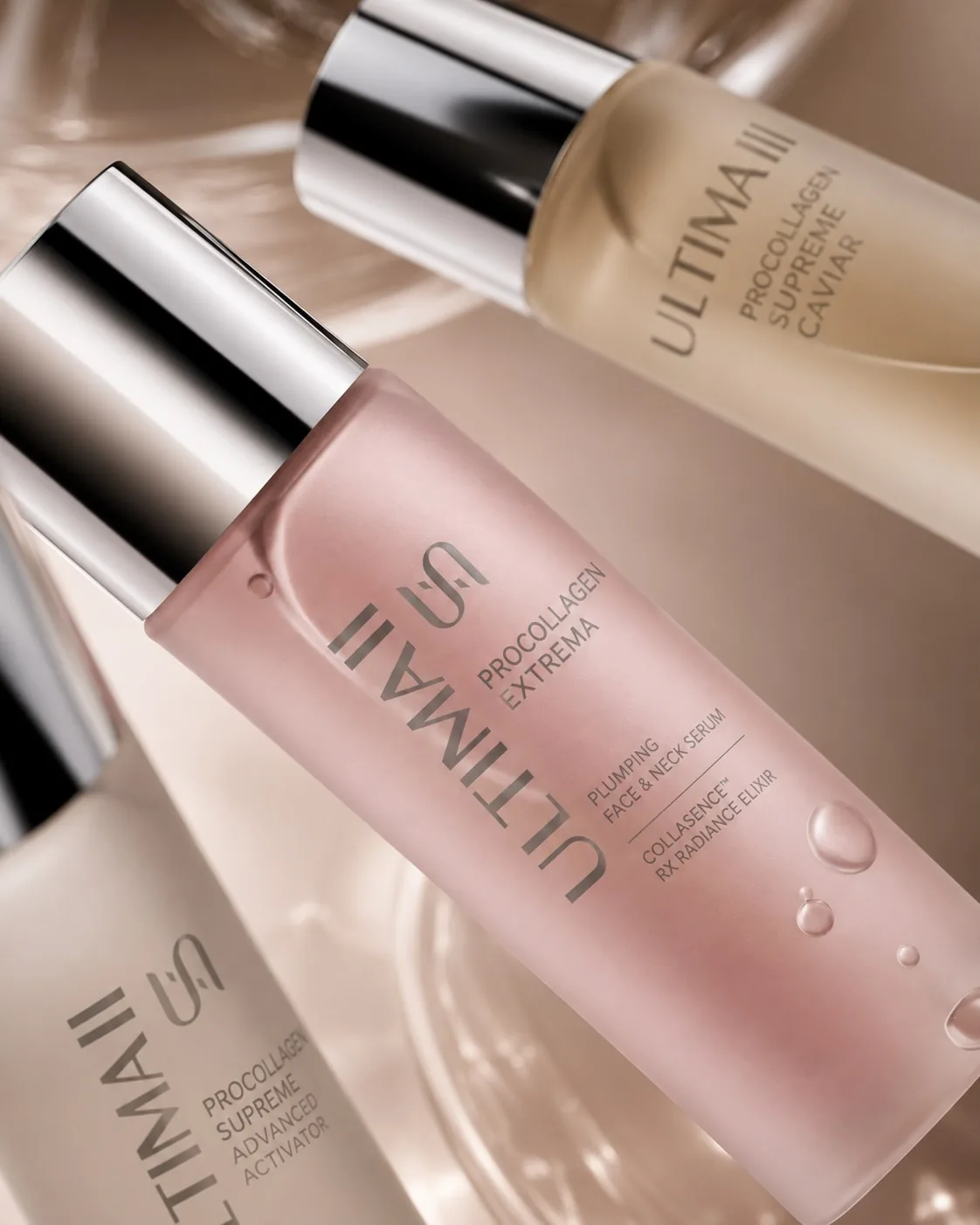
Some beauty brands follow trends. Others build a legacy that lasts beyond them. Ultima II is a beauty and skincare brand rooted in timeless elegance and sophistication. Its identity reflects a classic approach to beauty, built around refinement, quality, and enduring appeal. The challenge was to preserve this established character while giving the brand a fresher, more contemporary expression.

BRINGING TIMELESS BEAUTY INTO A NEW ERA
How do you modernise a beauty brand without losing what makes it recognisable?
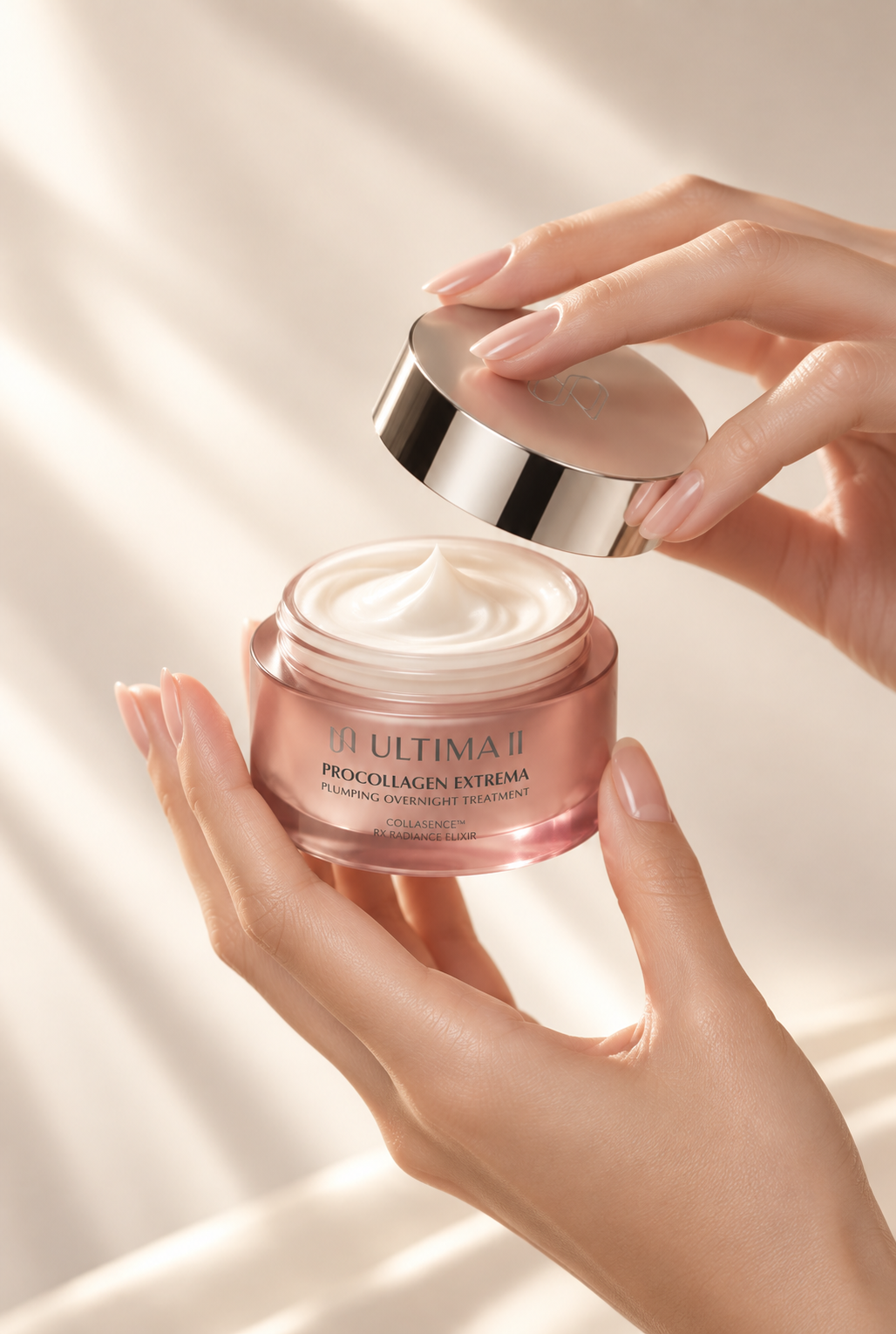
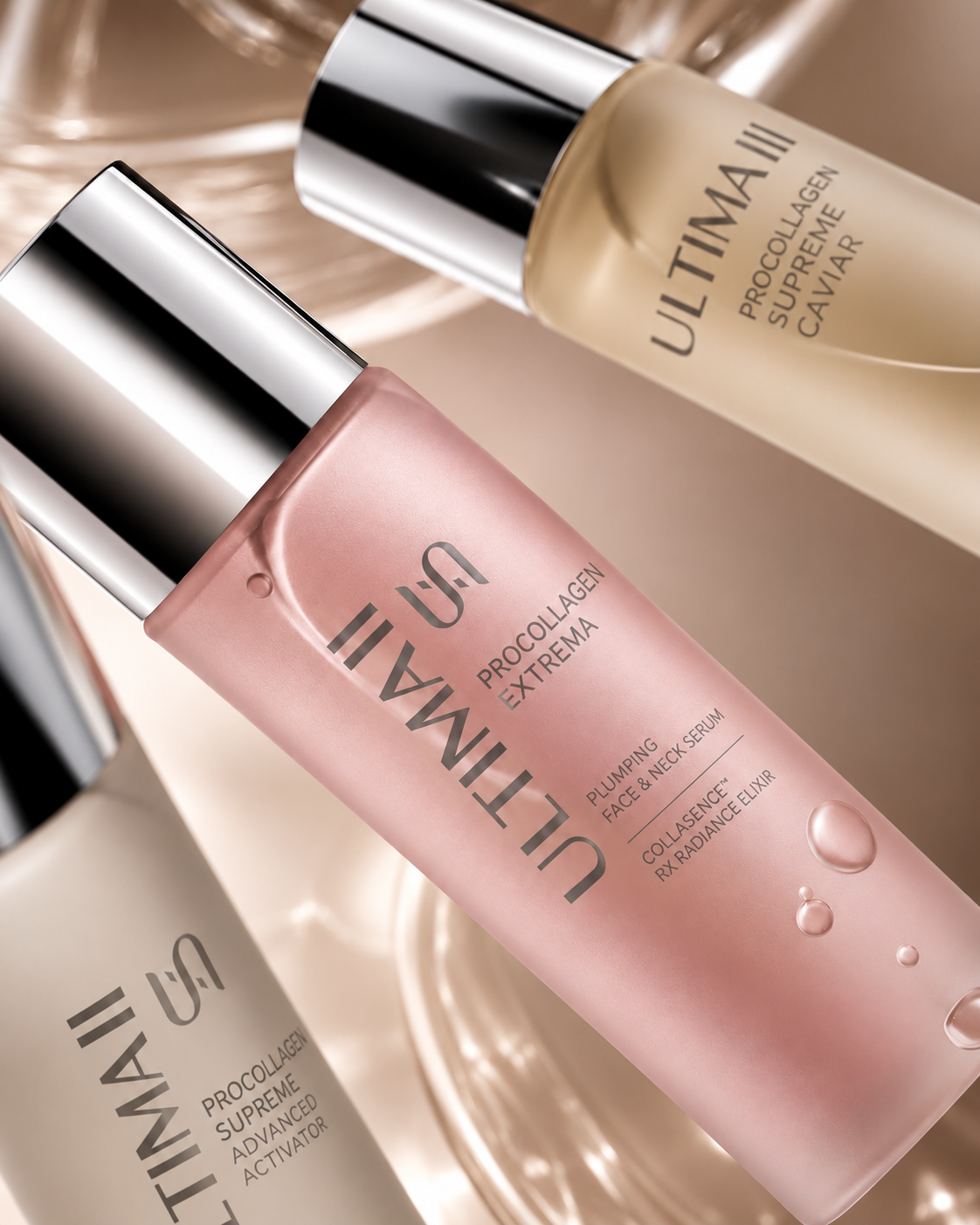
Egghead Branding Agency approached Ultima II’s brand refresh by refining, rather than reinventing, its visual identity. The goal was to create a more cohesive and elevated brand experience while staying true to Ultima II’s timeless character. Through a considered colour palette, refined packaging design, polished product styling, and cohesive art direction, Egghead Branding Agency developed a visual direction that balances classic elegance with modern beauty aesthetics.

A REFINED EXPRESSION OF PREMIUM BEAUTY
Every detail plays a role in how a beauty brand is perceived. From the packaging on a vanity to the way a skincare product is presented, consistency helps communicate quality and reinforce brand recognition.
Egghead Branding Agency brought these elements together through soft tones, elegant finishes, and a consistent visual language across key brand touchpoints. The result is a refined beauty identity that feels premium, contemporary, and unmistakably Ultima II.
TIMELESS BY NATURE, MODERN BY DESIGN.
The Ultima II project demonstrates how thoughtful branding can help an established beauty brand evolve without losing its heritage. By bringing packaging design, product styling, and art direction into one cohesive visual direction, Egghead Branding Agency helped express Ultima II’s enduring elegance in a way that feels relevant to contemporary beauty.
Because timeless beauty is not about standing still. It is about evolving while staying true to who you are.

BUILDING BRANDS THAT STAND THE TEST OF TIME
At Egghead Branding Agency, we believe great branding goes beyond aesthetics. It builds recognition, communicates value, and helps brands stay relevant as markets evolve.
As an award-winning branding agency in Indonesia, Egghead Branding Agency partners with ambitious businesses to shape distinctive brand identities, refine brand positioning, and create cohesive brand experiences. From brand strategy and visual identity to packaging design and art direction, we help brands express who they are and where they want to go.
Looking to build a brand that stands out? Discover how Egghead Branding Agency can help your brand grow.
Porsche Club Indonesia
Porsche Club Indonesia
DRIVEN BY PASSION, UNITED BY PRECISION
Porsche Club Indonesia (PCI) is more than a community. It represents prestige, performance, and a shared passion for the Porsche lifestyle. As an automotive community in Indonesia, Porsche Club Indonesia brings together Porsche enthusiasts through driving experiences, exclusive gatherings, and community events.
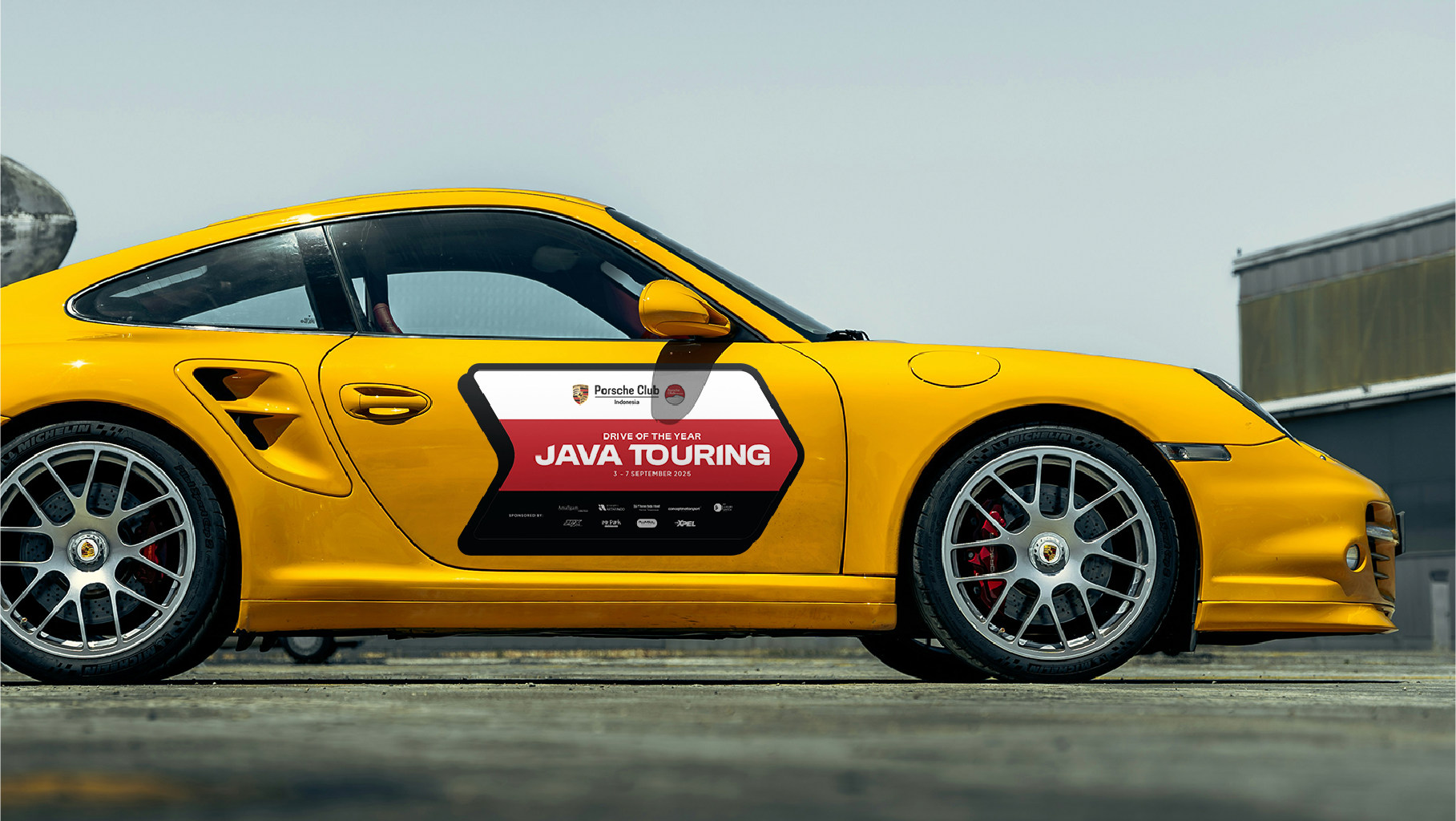
As a creative partner and official sponsor, Egghead Branding Agency supports Porsche Club Indonesia through brand implementation, brand activation, and automotive marketing communications, creating a consistent brand presence across events and digital platforms.
THE IDEA OF THE DRIVE BEYOND THE SPEED
Being part of Porsche Club Indonesia goes beyond speed. It is about the shared pursuit of excellence, connection, and lifestyle.
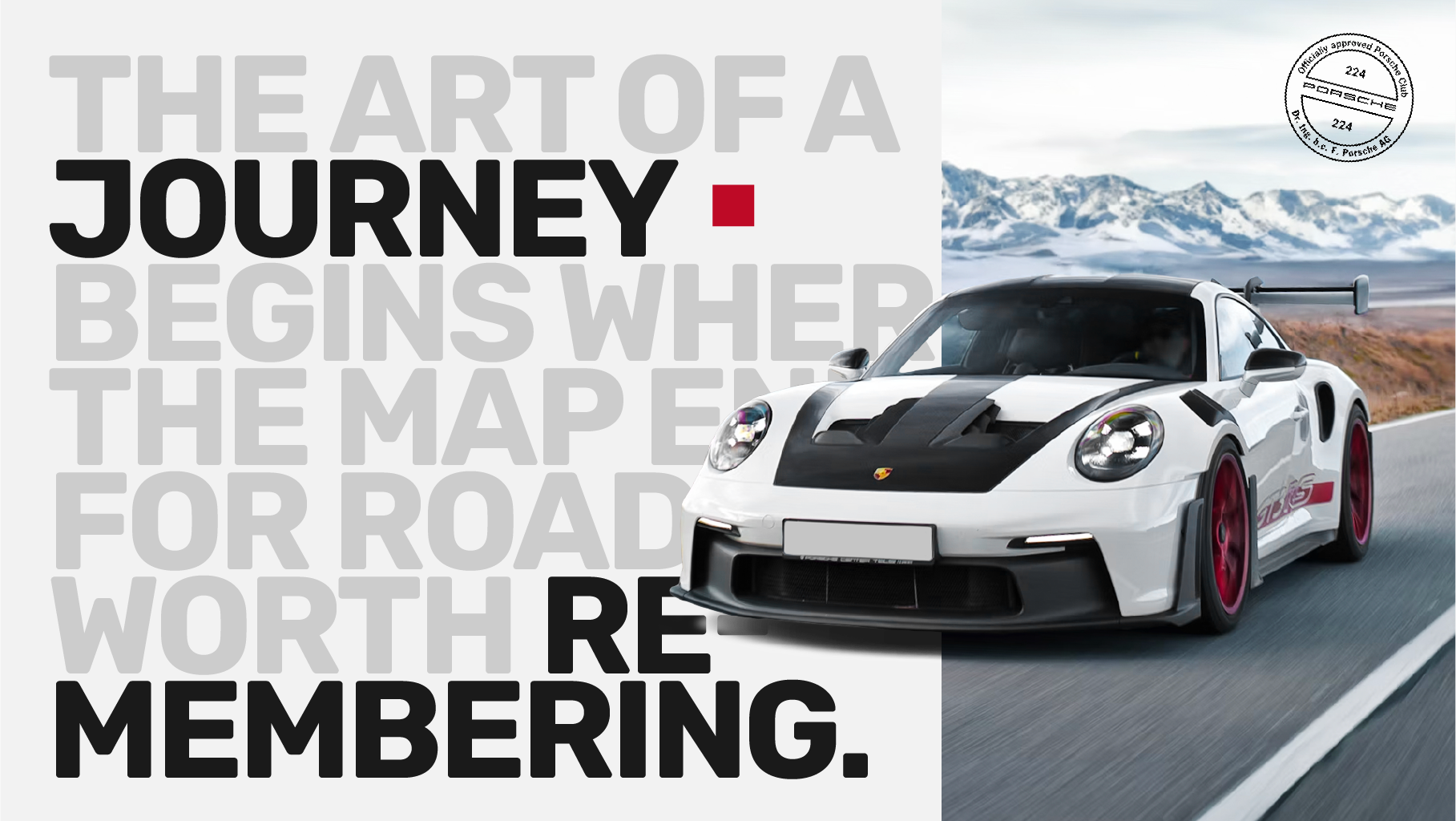
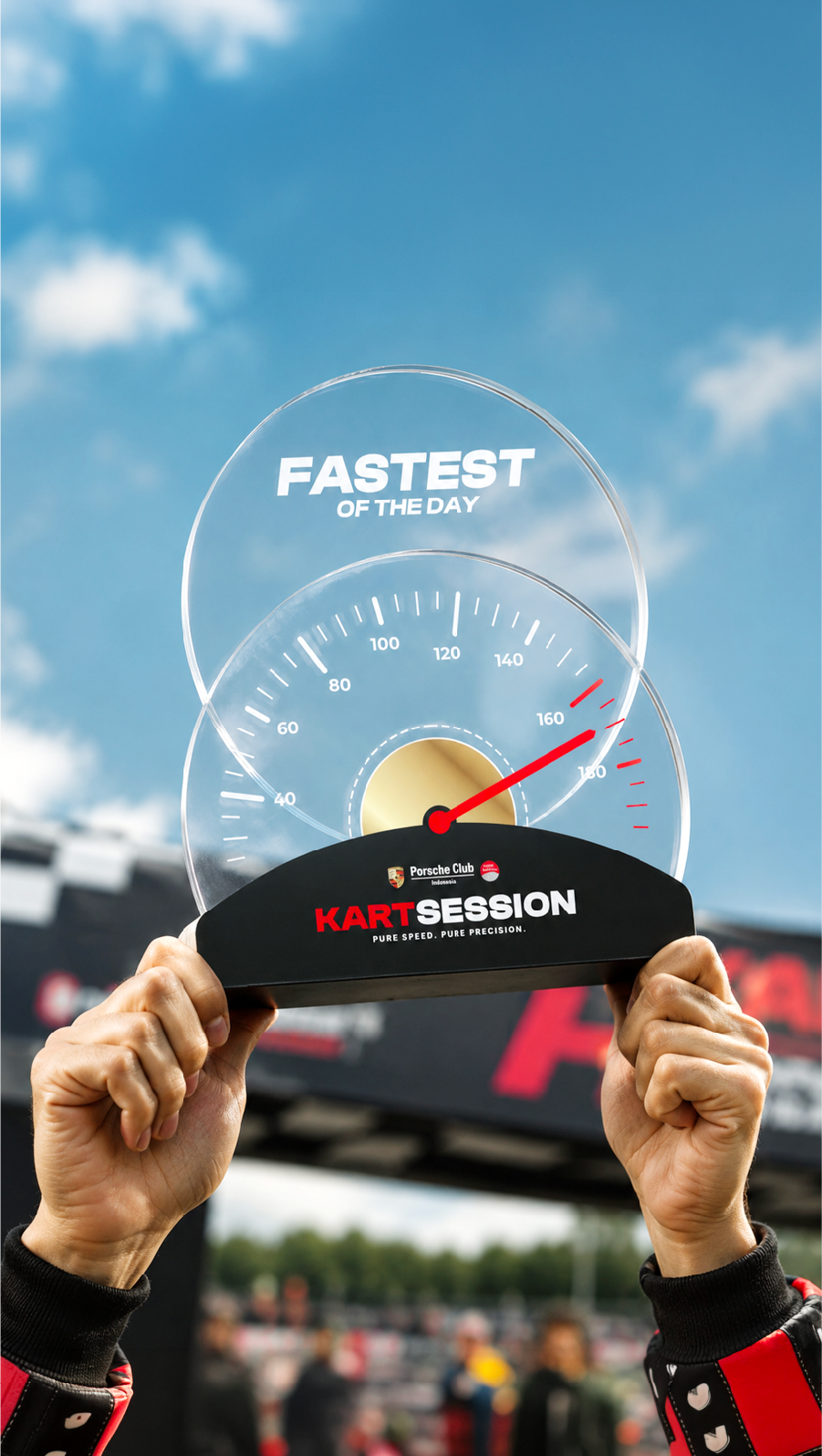
Egghead Branding Agency brings this philosophy to life through automotive branding, creative campaign design, and event marketing. Every visual, social media post, and campaign asset reflects the Porsche spirit: refined, powerful, and timeless. From driving tours to exclusive gatherings, each touchpoint reinforces Porsche Club Indonesia’s identity and strengthens its connection with the Porsche community.
DESIGNING THE DRIVE, CAPTURING THE LEGACY
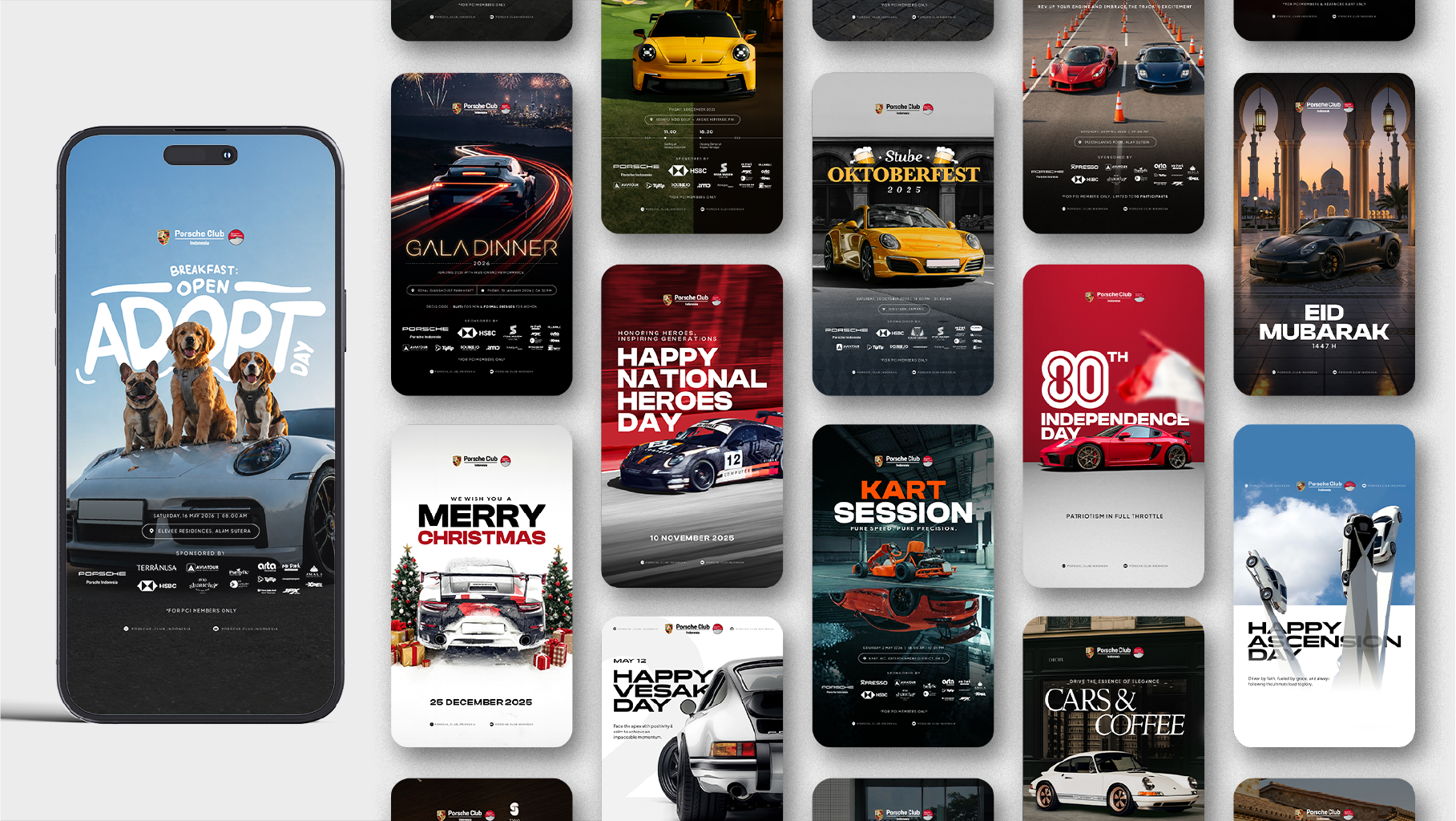
As Porsche Club Indonesia’s creative partner, Egghead Branding Agency manages a range of brand activation and marketing activities, including photo and video documentation, social media strategy, content planning, content production, and design execution.
Through event branding, social media marketing, and cohesive visual storytelling, Egghead Branding Agency creates content that captures the energy of automotive events while maintaining a consistent brand identity. From campaign visuals and event materials to digital content, every execution brings Porsche Club Indonesia’s identity to life and creates a cohesive experience for its members.

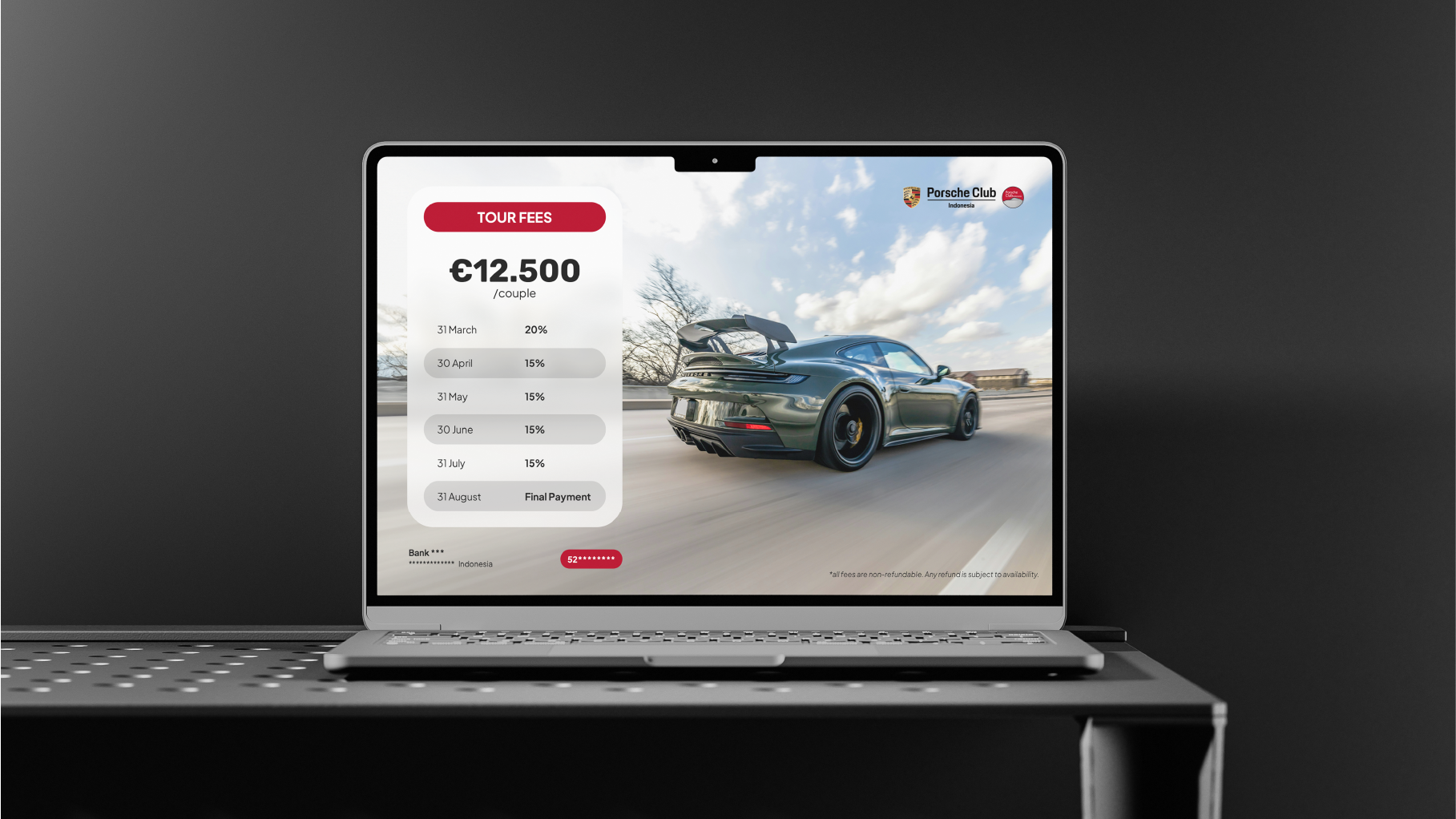
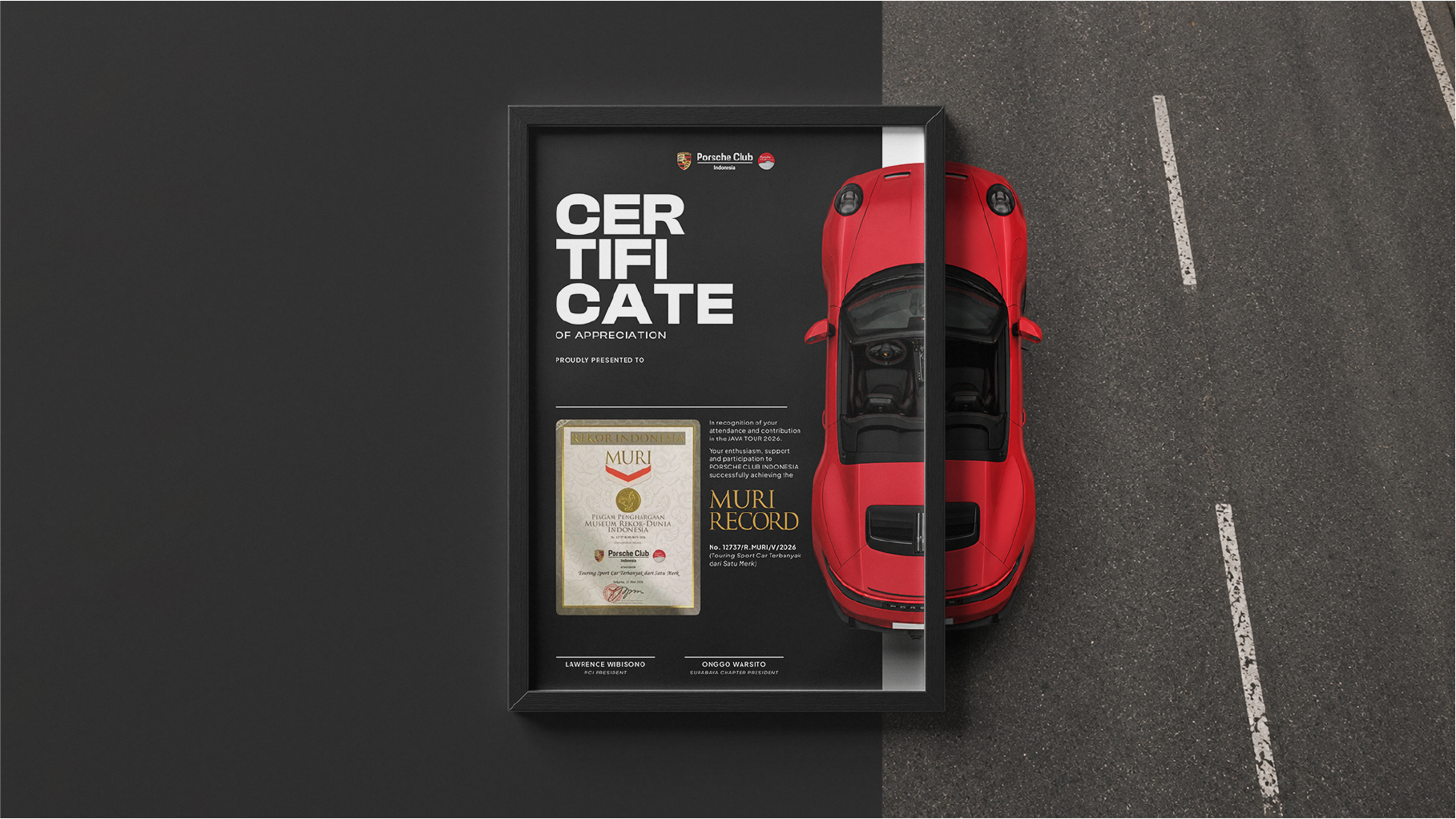 As an award-winning branding agency in Jakarta, Egghead Branding Agency combines strategic thinking with creative execution to help brands build meaningful connections with their audiences. Its work with Porsche Club Indonesia reflects this approach, bringing together brand strategy, automotive marketing, and engaging brand experiences.
For Porsche Club Indonesia, every drive is an experience. For Egghead Branding Agency, every touchpoint is an opportunity to bring that experience to life.
Good Time
Good Time
MAKING GOOD TIMES REAL GOOD
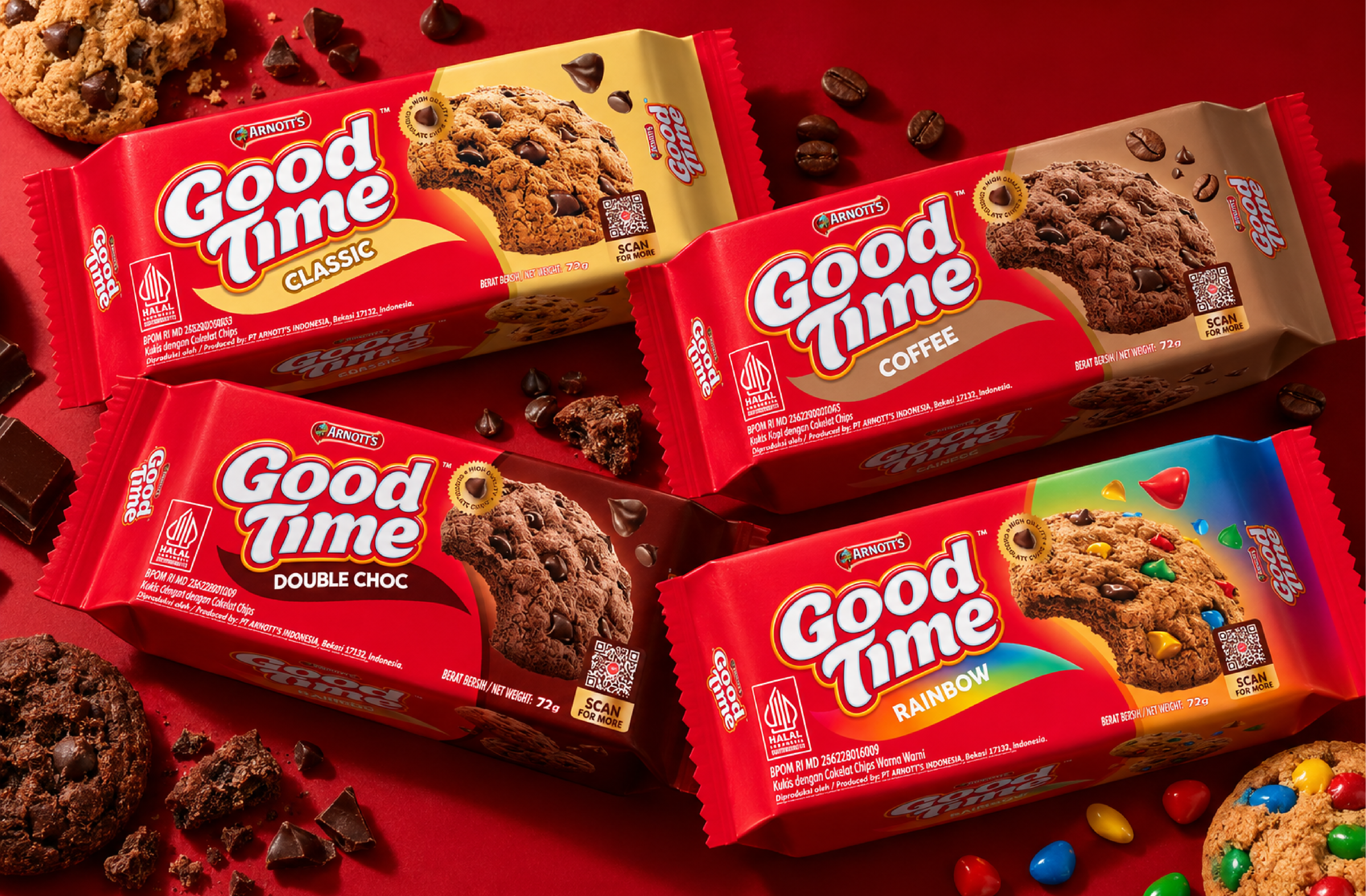
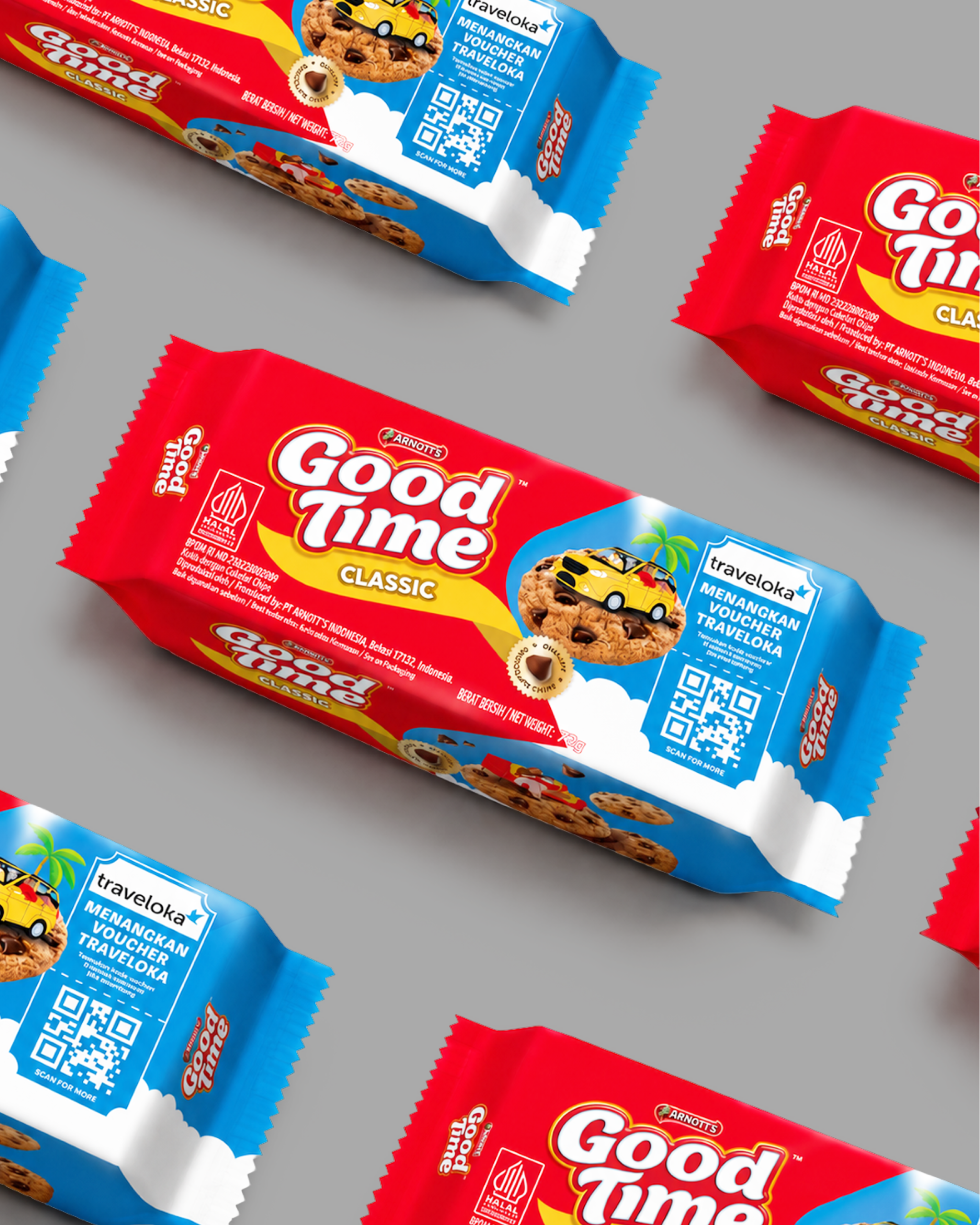
Good Time is a familiar cookie brand built around simple moments of enjoyment. Egghead Branding Agency developed a cohesive packaging design system that strengthens Good Time’s brand identity, improves product recognition, and brings a fresh sense of energy to its range of cookies.
Through a signature bold red palette, playful graphics, and expressive visual elements, the packaging gives each variant a recognizable identity while maintaining a consistent look across the product range. The result is a vibrant, approachable brand experience designed to connect with consumers across different occasions.
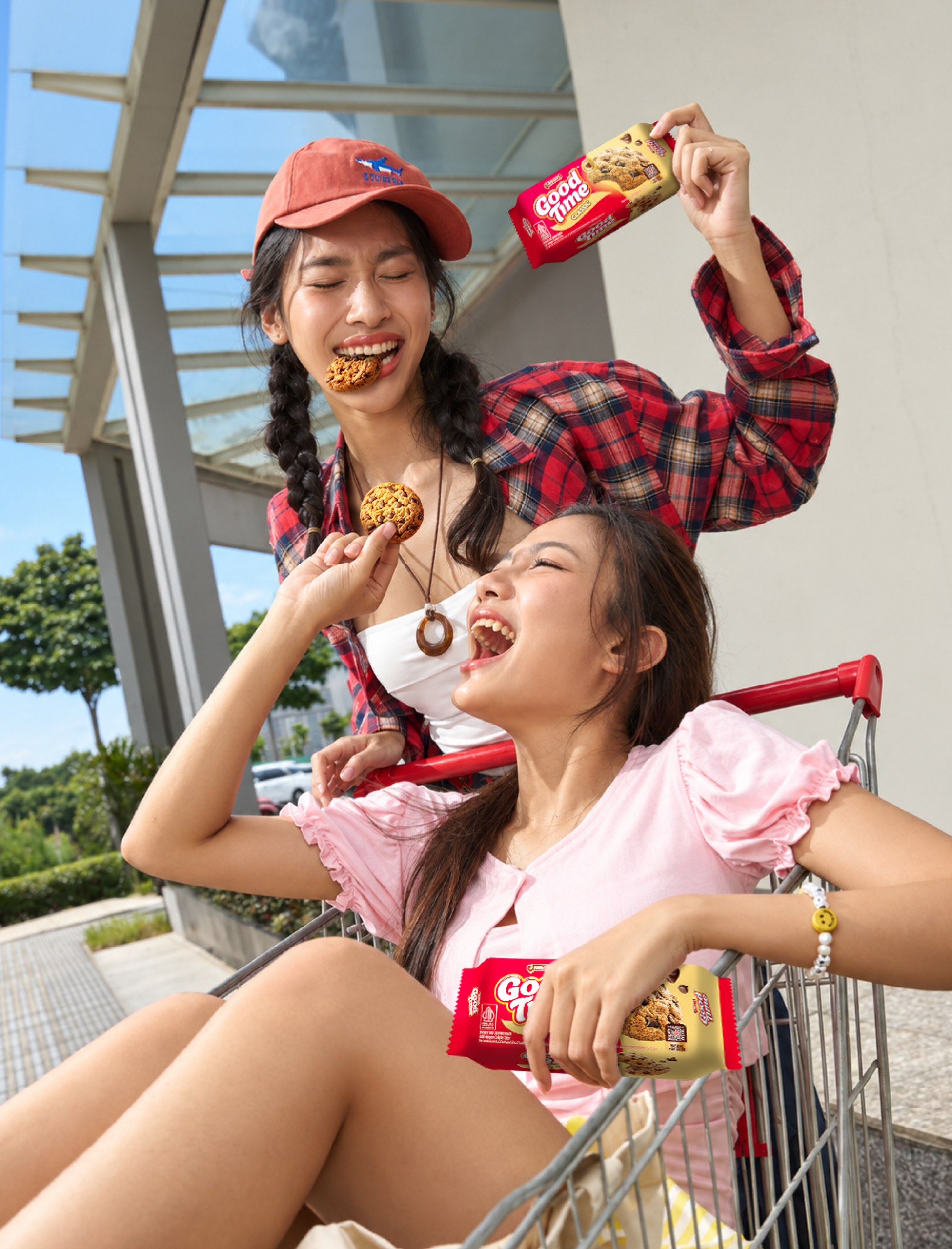

A BRAND IDENTITY MADE FOR EVERY GOOD TIME
Egghead Branding Agency refined Good Time’s packaging system to create a more cohesive and recognizable presence across its product range. The design balances consistency with variant differentiation, helping individual flavors stand out while reinforcing the brand’s playful personality. From the overall packaging identity to the details on each pack, every element works together to make Good Time instantly recognizable on the shelf.
FEATURED COLLABORATION: GOOD TIME X TRAVELOKA
ADVENTURE IN EVERY LIFE
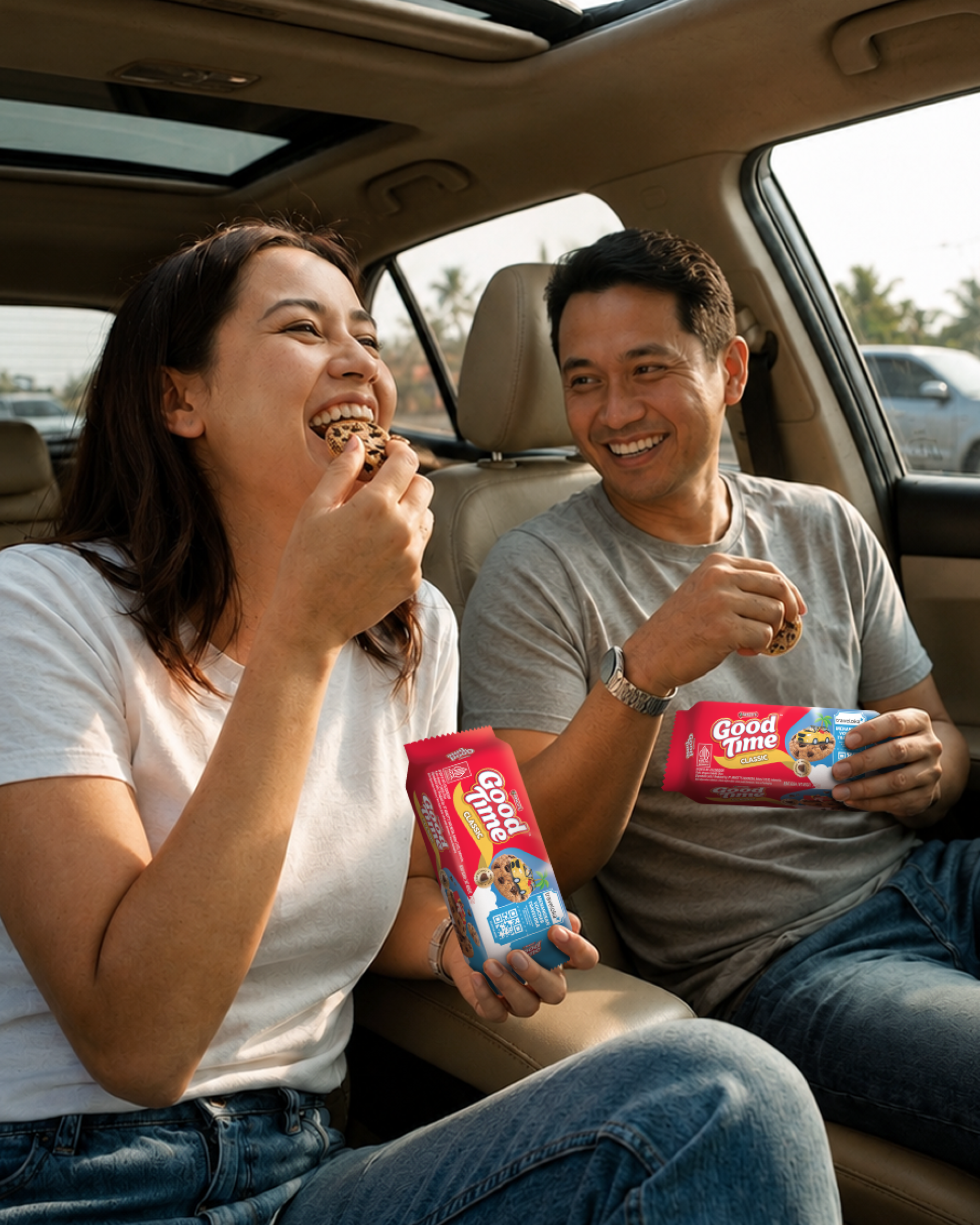
Building on Good Time’s distinctive packaging identity, the collaboration with Traveloka brings a sense of adventure to everyday snacking. Egghead Branding Agency developed a co-branded packaging concept that combines Good Time’s signature red with Traveloka’s bright blue travel-inspired elements, connecting the joy of cookies with the excitement of discovering new destinations.
The packaging integrates travel vouchers and QR codes, linking the product experience with opportunities for exploration. By bringing together two familiar brands through a shared spirit of fun and discovery, the collaboration transforms an everyday snack into an invitation to the next adventure.
BRAND COLLABORATION AND PACKAGING DESIGN
Egghead Branding Agency translated the partnership into a cohesive visual direction that balances both brands’ identities. From co-branded packaging to travel-inspired graphics, every detail reinforces the idea of adventure in every bite. This project showcases Egghead Branding Agency’s expertise in brand collaboration, creative concept development, and packaging design for consumer brands in Indonesia.
As an award-winning branding agency in Jakarta, Egghead Branding Agency combines strategic thinking with creative execution to help brands build distinctive identities, strengthen product recognition, and create meaningful connections with consumers.
.